




Affordable Interior Design Ideas: Transform Your Home on a Budget
Understanding Your Budget and Goals
Affordable Interior Design starts with smart budgeting. Before embarking on any interior design project, it’s essential to establish a clear budget. This step not only guides the direction of your makeover but also ensures you stay financially responsible while bringing your design dreams to life. Begin by assessing your finances to determine how much you can realistically spend, including allocations for each room.
Setting priorities for different areas in your home is crucial. Not every room needs equal investment; some may require extensive upgrades, while others might only need minor enhancements. For example, if the living room is frequently used and serves as the central gathering place for family and guests, it may warrant a larger portion of your budget compared to a seldom-used guest bedroom. By prioritizing, you can allocate funds effectively, focusing on areas where design changes will yield the most impact.
Moreover, it is essential to identify specific goals you want to achieve with your design changes. Are you aiming to create a cozy atmosphere, improve functionality, or simply refresh the aesthetic? Clear objectives will help in making informed decisions and will provide a framework for evaluating potential purchases and changes. As you implement your design plan, tracking expenses is vital. Create a budget tracker that lists all expenses to help you monitor your spending. This will help you stay on track and avoid surprises, allowing room for flexibility. Being prepared for unexpected costs—like repairs or finding that an essential item exceeds its expected budget—will make a significant difference in your project’s overall success.
Creative DIY Projects to Enhance Your Space
Transforming your home doesn’t always require hiring a professional designer; often, a little creativity can go a long way. Engaging in DIY interior design projects is a cost-effective method to elevate your home’s aesthetic while allowing for personalization. Here are a few ideas to inspire you.
One effective DIY project is creating custom artwork. You can utilize materials such as canvas, paints, and brushes, which are usually quite affordable. Consider painting abstract designs or creating textured pieces using sponges or cloth for a unique touch. A cost estimate for this project could range from $20 to $50, depending on the size and materials used.
Another approach is to repurpose old furniture. Instead of discarding an old dresser or table, consider giving it a new life with a coat of paint and new knobs. Sanding down and refinishing can add character and charm, with total costs potentially varying between $30 and $100, depending on the materials requred.
Additionally, thrift store finds can be upcycled into stylish home decor. Look for items like vases, frames, or even quirky chairs. A simple coat of spray paint or a new fabric can rejuvenate these treasures. Allocating around $10 to $60 will allow you to purchase several pieces to transform.
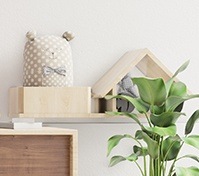
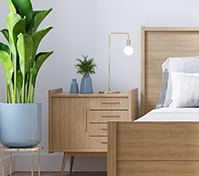
Incorporating plants and greenery into your space is also a cheerful design strategy. Plants like succulents or pothos can be sourced inexpensively and add both color and life. Estimated costs for plant additions usually range from $5 to $30 per plant, and you can use creative containers such as repurposed jars or decorative pots.
By embracing these DIY projects, you have the opportunity to enhance your space creatively and economically. Not only will these projects enliven your home’s design, but they will also provide a fulfilling experience as you embody your inner designer.
Choosing Affordable Materials and Furnishings
When embarking on a journey to transform your home through interior design, selecting affordable materials and furnishings is paramount. This not only ensures that you maintain a budget-friendly approach but also allows for creativity and style to flourish. Start by exploring various avenues for obtaining furniture and materials. Online marketplaces, thrift stores, and local garage sales can yield high-quality pieces at significantly reduced prices. Websites dedicated to second-hand items often feature a wide range of options that help you furnish your space economically.
Another strategy involves paying attention to seasonal sales and holiday promotions, as many retailers offer substantial discounts during these periods. Additionally, attending clearance sales at large furniture stores can present opportunities to acquire top-notch items for a fraction of their original prices. When browsing, don’t hesitate to negotiate prices with sellers, particularly in private sales or flea markets, where haggling is expected.
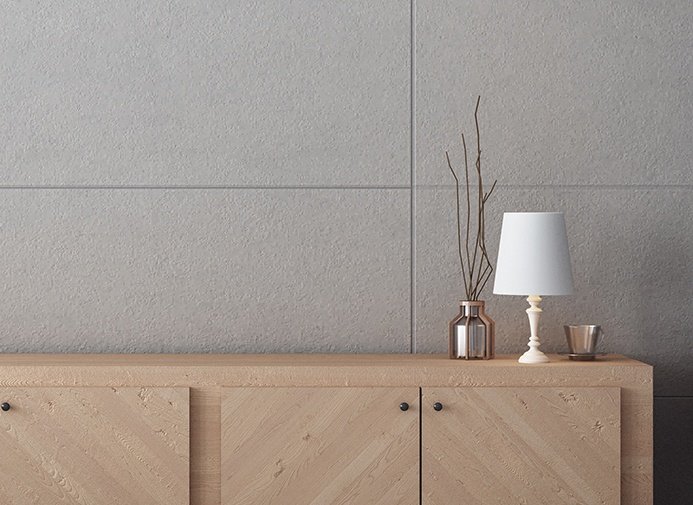
Integrating high-end pieces with affordable finds can create a sophisticated look without the need for a hefty budget. For instance, consider investing in a few statement items, such as a designer lamp or an intricately designed rug, while coupling them with budget-friendly furniture options, such as basic sofas or tables from affordable retailers. This strategy enhances the overall aesthetic of your space while keeping costs manageable.
Moreover, the choice of materials can have a significant impact on both budget and appearance. Opt for versatile fabrics such as cotton or linen, which are commonly found at low prices yet offer durability and style. Additionally, consider sourcing eco-friendly materials, which can be both cost-effective and environmentally responsible. By carefully curating your selections and being mindful of where and how you shop, you can achieve a beautiful and functional interior design that respects your budgetary constraints.
Color and lighting play crucial roles in interior design, significantly influencing the ambiance and perception of space within a home. By understanding the effects of different colors and strategically using light, homeowners can transform their interiors to create desired moods and atmospheres.
Color psychology is integral in determining how a space feels. Warm colors, such as reds and oranges, can evoke feelings of warmth and intimacy but can also create a sense of urgency or excitement. Conversely, cool colors like blues and greens tend to induce calmness and serenity, making them ideal for bedrooms or relaxation spaces. Additionally, lighter shades can create an illusion of spaciousness, making smaller areas feel larger, while darker tones can add a sense of coziness to expansive rooms.
Incorporating a variety of colors through paint, furniture, and décor can enhance the overall design without requiring significant investment. For instance, accent walls painted in bold hues can become focal points, while more neutral tones can act as a backdrop to showcase decorative pieces. Furthermore, accessorizing with colorful cushions, rugs, or artwork can revitalize a dull space without necessitating a complete overhaul.
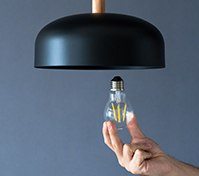
Lighting, both natural and artificial, is equally important in complementing your chosen color scheme. Natural light can be maximized by utilizing sheer curtains or strategically placing mirrors to reflect sunlight. Such techniques not only brighten up a room but also create an airy feel. Economically, opting for energy-efficient light bulbs and fixtures can effectively illuminate spaces while reducing electricity bills. Additionally, layer lighting through the use of ceiling lights, table lamps, and floor lamps can create depth and dimension, elevating the overall design.
Through thoughtful consideration of color and lighting, homeowners can significantly enhance their interior design, achieving both aesthetic appeal and functional benefits without exceeding their budget.
Get budget-friendly interior design ideas now!
Discover how to make your home stylish on a budget – click here!