








Natural Wood: Premium Quality Materials for Interiors and Furniture
The Beauty and Versatility of Natural Wood
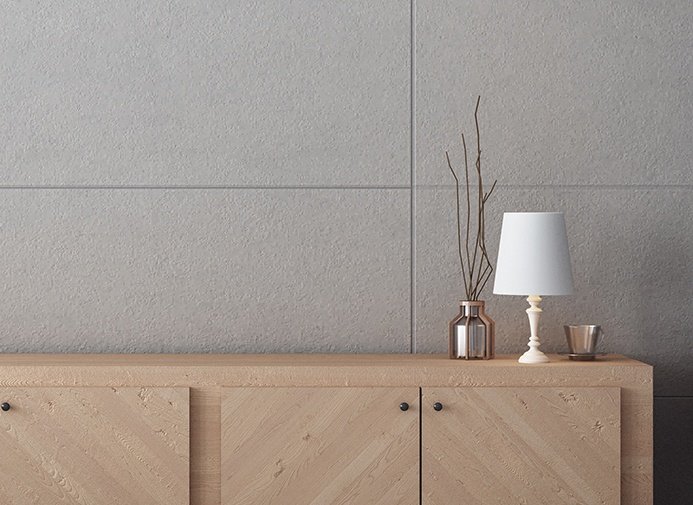
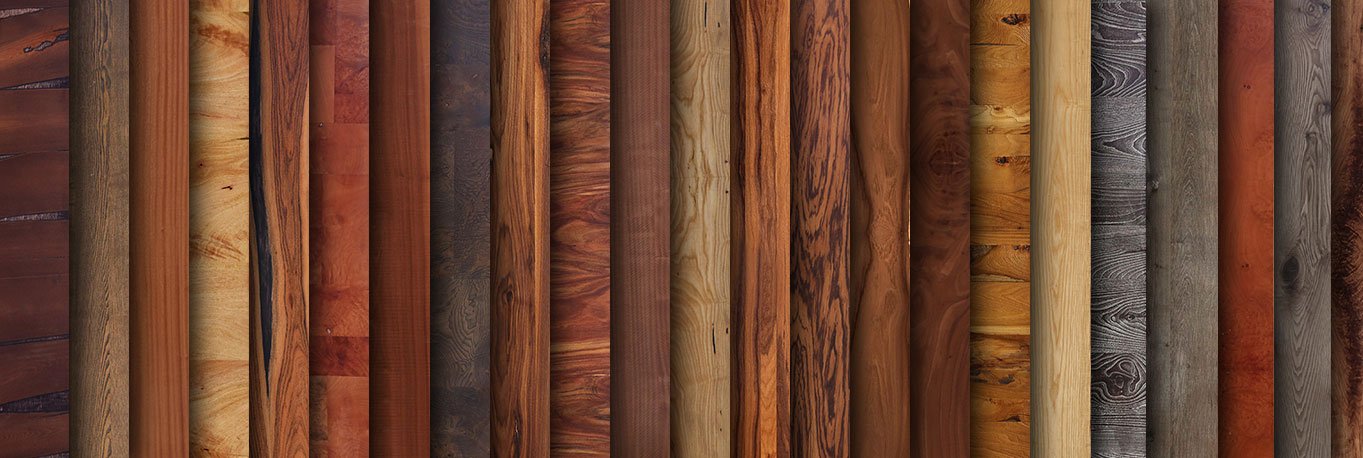
Natural wood has long been celebrated for its aesthetic appeal and the warmth it brings to interiors and furniture. Each type of wood carries its own unique characteristics, with variations in grain patterns, colors, and textures. For instance, oak is known for its strength and prominent grain, making it a favorite in traditional furniture design, while walnut boasts a rich, dark hue that lends a touch of elegance to modern aesthetics. The diverse range of natural wood allows it to seamlessly fit within various design styles, from rustic cabins to minimalist urban apartments.
The beauty of natural wood lies not only in its appearance but also in its tactile quality. The smooth finish of polished wood surfaces invites touch and exploration, adding a sensory dimension to interior spaces. Moreover, the organic nature of wood can evoke feelings of comfort and familiarity, making any room feel more inviting. Enhanced by its ability to age gracefully, wood develops a patina that enriches its charm over time, creating pieces that tell a story and become cherished heirlooms.
In addition to its visual allure, the versatility of natural wood is a significant advantage for interior designers and furniture makers. It can be crafted into a variety of styles, from sleek modern lines to ornate traditional designs. Wood can also be painted or stained to suit specific color palettes, allowing homeowners to express their personal style while maintaining a connection to nature. Furthermore, as sustainability becomes increasingly important, the use of responsibly sourced timber not only preserves the planet but also underscores a commitment to quality and craftsmanship.
Durability and Sustainability of Natural Wood
Natural wood has long been lauded for its exceptional durability, making it a favored choice in both furniture and interior design. When sourced from high-quality timber, natural wood possesses structural integrity that can withstand the trials of time and use. With proper care and maintenance, items crafted from premium wood can last for generations, often becoming cherished heirlooms that preserve family memories and history. Regular treatment with oils or varnishes can enhance their longevity, guarding against wear and tear that may arise from daily use.
Furthermore, the sustainability aspect of natural wood cannot be overlooked. When sourced responsibly, wood becomes a renewable resource that can contribute positively to the environment. Sustainable forestry practices involve managing forests to conserve biodiversity, protect habitats, and promote regeneration. This ensures that the trees harvested for furniture and other uses are replaced through replanting, maintaining the ecological balance. Certified wood sources, such as those bearing the Forest Stewardship Council (FSC) label, guarantee that the wood has been produced in adherence to rigorous environmental and social standards.
Consumer awareness about the importance of sustainable materials has grown significantly. Choosing natural wood products that are certified as sustainably sourced not only supports environmentally friendly practices but also promotes economic stability within local communities engaged in responsible forestry. As a result, individuals can take pride in their purchasing decisions, knowing they are investing in durable materials that align with their values regarding environmental stewardship and social responsibility.
Choosing the Right Wood for Your Interior Projects
Selecting the appropriate type of wood for interior projects is crucial to achieve not only aesthetic harmony but also functional performance. Different types of wood possess varying hardness levels, grain patterns, and color palettes. These attributes play a significant role in determining which wood will best suit your specific needs.
When it comes to hardness, for example, hardwoods such as oak and maple are typically more durable and resistant to wear, making them ideal for high-traffic areas like flooring. In contrast, softer woods such as pine may be better suited for low-impact furniture, like side tables or decorative pieces. It is vital to match the type of wood with the intended use to ensure longevity and maintain the integrity of your interior design.
The grain pattern of the wood can also dramatically affect the visual appeal of a space. Woods with pronounced grain, such as walnut and cherry, introduce a sense of richness and depth, making them excellent for statement furniture pieces. On the other hand, more uniform grain patterns of species like birch or poplar can impart a minimalist or modern look, particularly in contemporary interiors.
Color is another essential consideration. Depending on your design theme, you may want a wood with a light finish, such as ash for a bright and airy atmosphere, or a darker hue, like mahogany, to evoke warmth and coziness. Additionally, the finishing options available can further alter the appearance of the wood without compromising its natural beauty.
Ultimately, choosing the right wood for your interior project involves balancing aesthetics with functionality, ensuring the selected materials complement the overall design while meeting practical requirements.
Maintenance Tips for Natural Wood Furniture and Interiors
Natural wood furnishings and interiors are renowned for their elegance and durability, yet they require appropriate care to maintain their appearance and functionality. One of the primary methods for cleaning wood surfaces is to use a soft, lint-free cloth dampened with a solution of mild soap and water. Avoid soaking the cloth, as excessive moisture can damage the wood. After cleaning, it is recommended to wipe the surface dry with another clean cloth to prevent any water stains.
Another crucial aspect of wood maintenance involves applying protective treatments. Regularly using furniture polish specifically formulated for wood can help in restoring shine and forming a protective layer against dust, spills, and scratches. However, it is important to avoid products containing wax or artificial additives, as these can build up over time and diminish the natural beauty of wood.
Humidity control is vital for preserving the integrity of natural wood interiors. Wood is sensitive to changes in humidity, which can cause it to expand or contract, leading to cracks or warping. Utilizing a humidifier during dry seasons or a dehumidifier in excessively moist conditions can help maintain a stable environment for your wooden furniture.
It is essential to remain vigilant for signs of wear, such as fading, scratches, or structural changes. Regularly inspect your wooden pieces and address any issues promptly to prevent further damage. For more severe concerns such as deep scratches, splits, or extensive discoloration, it may be advisable to consult a professional restoration expert. Their specialized skills can bring your beloved wooden furnishings back to life, ensuring that they continue to be a cherished part of your interior for years to come.
Bring Natural Elegance to Your Home with Premium Wood
Explore Our Natural Wood Products for Interiors and Furniture