







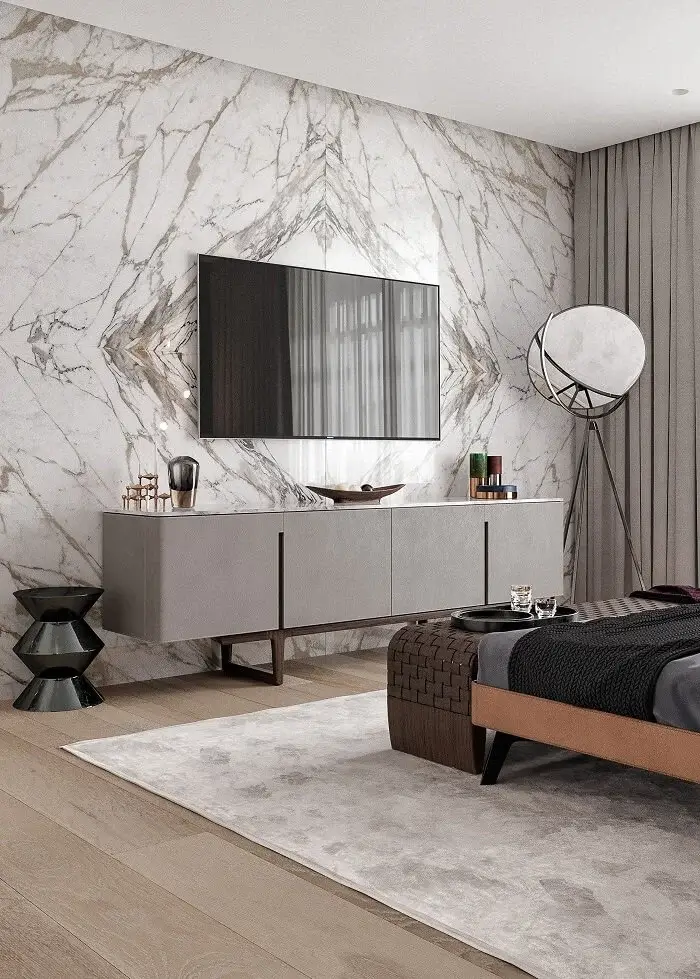
Marble Cladding: Premium Quality Surfaces for Elegant Interiors
Introduction to Marble Cladding
Marble cladding serves as a decorative and protective material applied to the surfaces of buildings and interiors. Unlike traditional cladding materials, such as wood or brick, marble offers a unique aesthetic appeal characterized by its natural veining and varied color palette. The term “cladding” refers to the outer layer of a structure, which can significantly impact the overall design and feel of a space. Marble cladding, with its classic allure, stands out as an embodiment of luxury and sophistication.
Historically, marble has been revered for its beauty and durability, making it a favored choice among architects and designers throughout the ages. From ancient Roman architecture, which often featured grand marble columns and sculptures, to modern interiors that incorporate marble accents, this stone has long been associated with opulence and timeless elegance. The use of marble in today’s interior design extends beyond mere aesthetics; it reflects a commitment to quality and longevity, aspects that are highly valued in both residential and commercial spaces.
The performance characteristics of marble cladding also set it apart from other materials. Its ability to resist fading and wear, combined with its ease of maintenance, makes it ideal for high-traffic areas. Moreover, marble’s intrinsic thermal properties help to regulate indoor temperatures, contributing to a comfortable living or working environment. As a premium choice for interiors, marble cladding not only enhances the visual appeal but also adds tangible value to properties.
In the realm of design, marble cladding represents a convergence of art and functionality. Its timeless nature encourages creative use in various applications, ensuring that each installation is not merely a surface treatment but a statement of elegance and refined taste.
Benefits of Using Marble Cladding in Interiors
Marble cladding presents a multitude of advantages, making it a favored choice for enhancing interior spaces. One primary benefit is its exceptional durability and longevity. When properly installed and maintained, marble can stand the test of time, resisting wear, scratches, and degradation. Its robust nature makes it ideal for high-traffic areas, ensuring that the elegance of marble cladding endures even in bustling environments.
Another notable advantage is the ease of maintenance associated with marble surfaces. Marble cladding typically requires minimal upkeep, as it is resistant to moisture and staining when sealed correctly. Routine cleaning with mild soap and water is usually sufficient to maintain its luster. This user-friendly aspect of marble makes it appealing not only to homeowners but also to commercial establishments striving to maintain a pristine appearance with less effort.
Beyond functionality, marble cladding significantly enhances the overall aesthetic of a room. Its unique visual characteristics, which include natural patterns and color variations, ensure that no two installations are alike. This individuality adds a sense of sophistication and luxury, making marble a standout feature in interior design. When used strategically, marble cladding can elevate the ambiance, drawing attention and admiration from guests and residents alike.
Moreover, marble cladding is recognized for its capacity to increase property value. Given its status as a premium material, homes and commercial properties featuring marble surfaces are often viewed as more desirable and, consequently, more valuable. This makes investing in marble cladding not only an enhancement of aesthetic appeal but also a strategic move for homeowners looking to maximize their property’s worth in the long run.
Installation and Maintenance of Marble Cladding
Installing and maintaining marble cladding is crucial for achieving and preserving the elegance associated with this premium material. When considering the installation of marble surfaces, one should begin by selecting a qualified professional installer. It is advisable to seek contractors with experience specifically in marble applications. Verifying credentials, seeking recommendations, and reviewing past projects can help ensure that the installation will be executed to a high standard.
The installation process for marble cladding typically involves several key steps. First, the installer must prepare the underlying surface, ensuring it is clean, dry, and level. Next, marble tiles or slabs are carefully cut and fitted, with attention given to maintaining consistent grout lines and alignment. The use of the right adhesives is vital, as it impacts the durability and longevity of the cladding. While installation may seem straightforward, it requires skill to avoid issues such as cracking or misalignment.
Once installed, marble cladding requires appropriate maintenance to continue showcasing its natural beauty. Regular cleaning with a pH-balanced solution is essential, as harsh chemicals can damage the surface. Additionally, it is paramount to seal the marble periodically, as sealing enhances its resistance to stains and moisture. Misconceptions often arise concerning the necessity of sealing; however, professional guidance can dispel myths, highlighting the importance of a good seal to protect against everyday wear.
In conclusion, proper installation and regular maintenance are vital for preserving the beauty and functionality of marble cladding. With the right care, this timeless material can maintain its luxurious appearance for years, making it a wise investment for any interior design project.
Design Ideas and Trends Featuring Marble Cladding
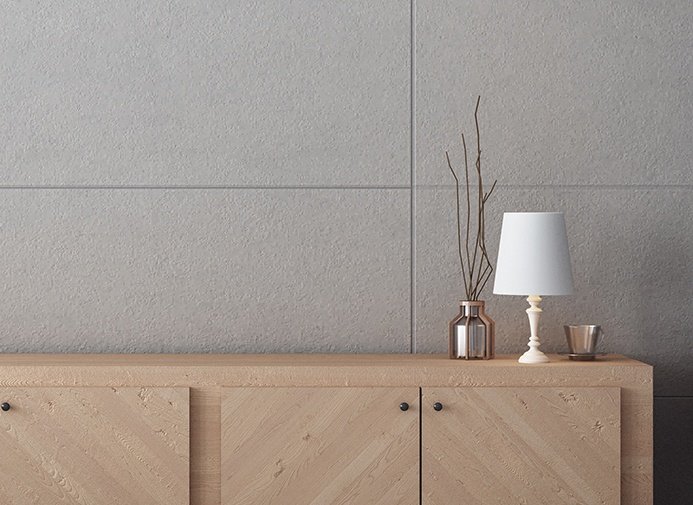
Marble cladding has emerged as a staple in the modern design landscape, revered for its timeless elegance and versatility. The use of marble can elevate any space, lending an air of sophistication that complements various aesthetic styles. In contemporary residential designs, marble cladding is often employed in living rooms and hallways, creating striking features that captivate attention. For example, cladding an accent wall with large marble slabs can create a stunning visual backdrop, beautifully highlighting furniture and artwork while enhancing the overall ambiance.
In commercial settings, the application of marble cladding extends beyond mere embellishment. Businesses often use it to project an image of luxury and professionalism. High-end retail stores frequently incorporate marble in their façades or interior designs to evoke a sense of exclusivity. This use of marble not only appeals to consumers but also aligns with expected trends in industrial design, where natural stone is becoming a preferred choice for its durability and aesthetic appeal.
Outdoor spaces are not exempt from the charm of marble cladding. Outdoor living areas, patios, and poolside settings can be dramatically transformed using marble, adding both functionality and style. When used in outdoor applications, marble cladding must be carefully selected to ensure it withstands the elements while providing a chic focal point in gardens or terraces. Moreover, integrating marble with other materials, such as wood or glass, can yield a unique design that offers a contemporary take on outdoor aesthetics.
As design trends evolve, incorporating marble cladding can fit seamlessly into various styles, from minimalist to ornate traditional spaces. Its natural patterns and color variations allow for creative expression, making marble cladding an ideal choice for any design vision. As we continue exploring the evolving design trends, it is clear that marble will remain a centerpiece in creating elegant interiors.
Transform Your Space with Premium Marble Cladding
Elevate Interiors and Exteriors with Elegant Marble Cladding