




Interior Decorating Tips – Transform Your Home With Style
Understanding Your Space
Before embarking on an interior decorating journey, it is crucial to thoroughly assess your current living space. The process begins with accurately measuring each room to establish the dimensions you are working with. This is essential to ensure that any furnishings you plan to introduce will fit comfortably, taking into account not only the size of the items but also the layout of the space.
Moreover, understanding the flow and functionality of your home is integral to effective interior decorating. This involves observing how different areas connect and how you move through your space. An effective layout promotes ease of movement and enhances the overall comfort of your home. Consider the natural pathways people take when navigating through your living areas, as well as the activities intended for each room.
The identification of the desired style and mood you wish to create is equally important. Are you looking for a warm and inviting atmosphere, or do you prefer a sleek and modern aesthetic? Having a clear vision will guide your choices as you select colors, materials, and designs that align with your preferences.
Additionally, taking inventory of existing furniture and decorations provides valuable insights into opportunities for improvement or repurposing. Examine what you already possess and assess its compatibility with your envisioned style. Sometimes, integrating a few well-chosen pieces can dramatically enhance the overall look without requiring a complete overhaul. This thoughtful approach not only saves costs but also allows you to maintain elements that hold personal significance.
Choosing a Color Palette
Choosing a cohesive color palette is essential for transforming your home into a stylish and harmonious space. Understanding the fundamentals of color theory can significantly impact your decision-making process. The color wheel is a tool that visually represents the relationships between colors, helping you grasp how different hues can complement or contrast with one another. When selecting a color palette, it is crucial to consider the emotional effects that colors can evoke. For instance, blues and greens are often associated with calmness and tranquility, while yellows and oranges can create a sense of warmth and energy.
To select a suitable color palette, begin by identifying your personal style and the atmosphere you wish to create in your home. It might be beneficial to choose a primary color that will dominate your space, supported by two or three complementary colors. This approach not only enhances the visual appeal but also ensures that the colors are well-balanced throughout your home. A proven technique is the 60-30-10 rule: 60% of the space should be the dominant color, 30% a secondary color, and 10% an accent color. This method provides structure and guides you in making informed choices.
Creating color swatches is a practical step in your decorating journey. Gather samples of paint colors and fabrics, and display them in the intended space to observe how they interact with the light throughout the day. Testing paint samples on the walls will allow you to see the colors in real-life contexts, giving you a clearer understanding of their visual impact. By consciously incorporating this strategic approach to selecting your color palette, you will effectively enhance the overall atmosphere of your home, creating a space that reflects your personality and style.
Incorporating Textures and Patterns
When it comes to interior design, the thoughtful use of textures and patterns can significantly elevate a space. By incorporating a variety of elements such as fabrics, wallpapers, and materials, one can create depth and visual interest without overcrowding a room. Recognizing how to seamlessly introduce these aspects is essential for achieving a harmonious aesthetic.
One effective approach is to layer textiles in a way that enhances comfort and style. Soft throws and plush cushions may be strategically added to seating areas, while an array of tactile fabrics—such as cotton, linen, and velvet—helps to create an inviting ambiance. By mixing and matching these textures, it is possible to develop a layered look that is both nuanced and visually appealing.
Additionally, when combining patterns within a space, it is crucial to maintain balance. Start by selecting a dominant pattern that serves as the focal point, such as a bold sofa or an eye-catching area rug. From there, integrating smaller, complementary patterns—like patterned cushions or artwork—can create a cohesive look. It is valuable to consider color harmony when selecting these patterns; a consistent color palette can ensure that a diverse array of designs works together seamlessly.
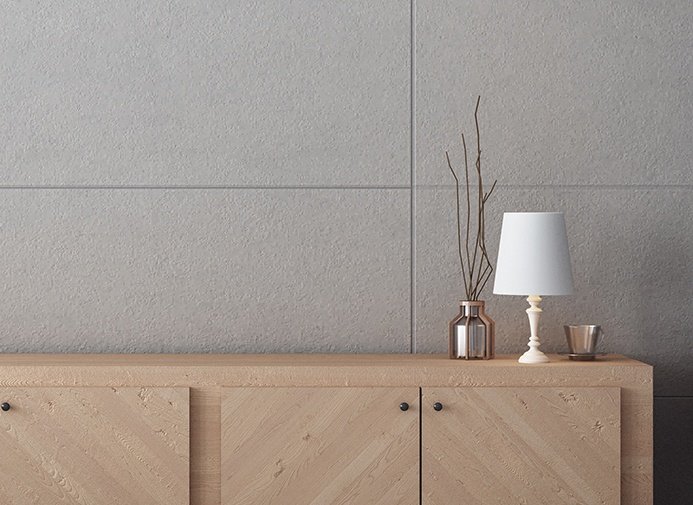
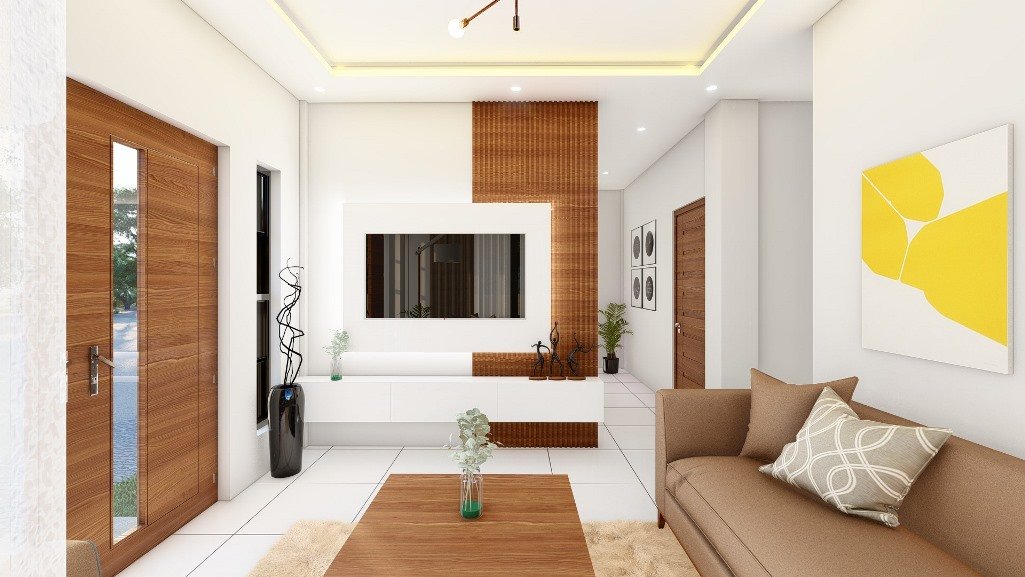
Furthermore, utilizing textured materials such as wood, stone, or metal in furniture and decor can add an essential layer of contrast and visual appeal. Elements like a reclaimed wood coffee table or a stone vase can enhance the tactile quality of the space, inviting touch and interaction. Ultimately, the thoughtful incorporation of textures and patterns paves the way for a sophisticated design that reflects personal style while maintaining comfort and visual intrigue.
Functional and Stylish Furniture Arrangement
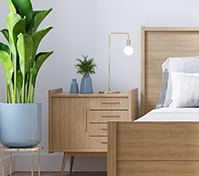
Arranging furniture in a way that combines both functionality and style is essential for enhancing the overall appearance of your home while ensuring that it remains practical and welcoming. One of the first steps in achieving this is to establish a focal point within the room. This could be a fireplace, a piece of art, or a stunning view through a window. Ensuring that furniture arrangements point towards this focal point can create an inviting atmosphere and encourage conversation.
Maintaining a proper flow between spaces is equally vital. The arrangement of furniture should allow for easy movement throughout the room. It is advisable to leave sufficient pathways and avoid overcrowding areas with pieces that hinder traffic flow. Ideally, you should position seating to foster interaction while ensuring paths are clear for navigation. Proper scale and proportion should also be taken into account. For example, larger rooms can accommodate larger furniture pieces, while smaller spaces require more compact options to maintain balance and harmony.
Creating balance in your furniture arrangement involves distributing visual weight evenly. This can be achieved by mixing various sizes and shapes, ensuring no single part of the room feels heavy or overcrowded. Additionally, utilizing multifunctional furniture can maximize space while adding utility. For instance, consider using ottomans that can serve both as seating and storage, or sofa beds that allow for versatility in accommodating guests.
Lastly, the decision between open spaces and defined areas plays a significant role in creating a balanced environment. Open layouts can foster a sense of flow and airiness, while defined areas can create intimate spaces for specific activities. Carefully considering these aspects will help you achieve a cohesive and stylish furniture arrangement that transforms your home into a functional yet aesthetically pleasing sanctuary.