






Elevating Spaces: The Role of Premium Materials in Luxury Interiors
Understanding Luxury Interiors
Luxury interiors are defined by an elevated standard of aesthetics, functionality, and experience that distinguishes them from standard design. At the core of luxury design is a commitment to exclusivity, where every element is meticulously selected to create a unique atmosphere catered to individual tastes. This exclusivity often translates into the use of premium materials that not only enhance visual appeal but also contribute to the overall comfort and functionality of the space.
Key features of luxury interiors include bespoke furniture crafted from high-quality materials such as solid woods, fine leathers, and luxurious fabrics. Each piece is designed to not only serve a purpose but also to become a statement, reflecting the homeowner’s personality and lifestyle. Additionally, tailored lighting solutions are essential in luxury spaces. Thoughtfully designed fixtures and strategically placed ambient lighting can transform the overall mood of a room, emphasizing architectural details and artwork while promoting a sense of warmth and intimacy.
A cohesive color palette further elevates the design aesthetic, helping to create a harmonious flow through the space. Colors are carefully chosen based on their psychological impact, as well as their visual compatibility with furniture and decor. Neutral tones, deep jewel shades, and metallic accents often feature in luxury interiors, allowing for a sophisticated yet inviting environment.
Examples of luxury residential or commercial spaces include high-end hotels featuring grand lobbies with carefully curated artwork, sumptuous seating areas, and elegant dining spaces designed for both functionality and leisure. Similarly, luxury residences might showcase open-plan designs with designer kitchens, spa-like bathrooms, and personalized home cinemas, all embodying exceptional craftsmanship and quality.
Key Premium Materials for Luxury Interiors
In the realm of luxury interiors, the choice of materials plays a pivotal role in defining both aesthetic appeal and functional performance. Among the most sought-after premium materials, marble stands out for its timeless elegance and durability. This natural stone not only adds a touch of sophistication but also offers unique patterns and colors that can enhance any space. Its robustness makes it suitable for various applications, including flooring, countertops, and luxurious wall coverings.
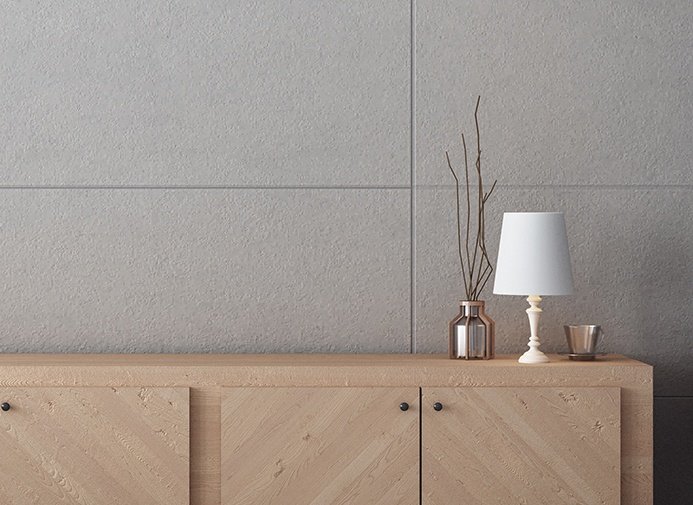
High-grade wood is another essential element in high-end design. Options such as mahogany, teak, and oak bring warmth and character to interiors. The rich grain and natural hues of fine woods contribute to an inviting atmosphere while ensuring long-lasting beauty. Additionally, wood can be intricately crafted to create bespoke furniture and architectural details, thus enhancing the overall luxury experience.
Leather is revered for its durability and sumptuous feel, making it a popular choice for upholstery and accessories. Whether used in sofas, chairs, or wall paneling, high-quality leather adds texture and richness to a space. Its ability to age gracefully while maintaining its aesthetic appeal underscores its suitability for luxury environments.
Silk, often associated with opulence, is typically used in drapery, upholstery, and decorative accents. The softness and sheen of silk textiles can elevate the ambiance, creating a sense of indulgence. Its lightweight nature also allows for beautiful draping and sophisticated design elements.
Finally, specialized glass, such as hand-blown or frosted varieties, can serve as statement pieces in luxury interiors. Glass not only creates visual interest but also manipulates light, contributing to an airy and expansive feel. In various forms, from chandeliers to partition walls, glass enhances the elegance of a space while ensuring durability.
The Impact of Quality on Design Aesthetics
The quality of materials plays a pivotal role in shaping the design aesthetics of luxury interiors. When one considers the tactile experiences and visual appeal of a space, the choice of materials can create a significant difference in the perception of elegance and sophistication. Premium materials not only elevate the design but also influence how light interacts with surfaces, thereby enhancing the overall ambiance.
Texture is one of the fundamental principles of design that becomes distinctly pronounced when using high-quality materials. Luxurious textures such as velvet, polished marble, and aged leather can evoke emotional responses and add depth to an interior. These textures invite tactile engagement while creating an inviting atmosphere. For example, a living room adorned with plush velvet furnishings and smooth marble tabletops offers not only comfort but also a visually compelling contrast that draws attention.
Color harmonies are another aspect significantly impacted by the quality of materials. Premium materials often exhibit rich, deep hues that synthetic alternatives cannot replicate. When these materials are used thoughtfully, they can create a cohesive color palette that reflects a specific mood or theme. The integration of various materials—such as rich woods, gleaming metals, and exquisite textiles—can lead to sophisticated color combinations that enhance the spatial dynamics of an area.
Case studies of notable luxury interiors, such as the renowned designs by Jean-Louis Deniot and Kelly Wearstler, showcase how premium materials harmonize to create a visually stunning environment. In these spaces, materials are selected not only for their aesthetic appeal but also for their ability to create a narrative and enhance architectural elements. Such thoughtful integration demonstrates that quality materials are essential for achieving a cohesive and inviting atmosphere in luxury interiors.
Sustainability in Luxury Materials
As the demand for high-quality interiors continues to grow, the luxury design industry is increasingly embracing sustainability in its practices. Today’s consumers are becoming more aware of the environmental impact of their purchasing decisions, leading to a shift in how premium materials are sourced and utilized. The luxury sector, traditionally associated with opulence and excess, is evolving to integrate eco-friendly alternatives without compromising quality.
Designers and brands committed to ethical practices are taking the initiative to create luxurious interiors that reflect their values. Materials such as sustainably sourced wood, organic textiles, and recycled metals have gained prominence among high-end designers. By choosing these materials, designers can create exquisite environments that also respect the planet. The use of such premium materials not only enhances the aesthetic appeal but also tells a story of responsibility and care.
Several leading brands are setting the standard for sustainability in luxury interior design. They are actively seeking suppliers who prioritize eco-friendly practices, ensuring that the materials are harvested in ways that maintain ecological balance. For instance, companies that specialize in organic textiles are increasingly recognized for their commitment to using non-toxic dyes and sustainable farming methods. This not only minimizes environmental impact but also supports local economies.
Consumer awareness surrounding sustainability is now more relevant than ever, with many luxury buyers actively seeking out brands that adhere to eco-friendly standards. As consumers become savvy about the origins of the materials used in their homes, they are more likely to support businesses that align with their values. This consciousness is driving a new era in the luxury interior market, showcasing that premium quality and sustainability can coexist harmoniously.
Discover the best Premium Materials for luxurious and modern interior design now!
Explore our range of Premium Materials and choose what fits your space.