




Functional Design: Creating Practical, Stylish, and Efficient Spaces for Modern Living
Understanding Functional Design
Functional design is a concept that intertwines practicality with aesthetics, aiming to create spaces that are not only visually appealing but also serve their intended purpose effectively. At its core, functional design emphasizes the integration of various elements that contribute to a well-organized and thoughtfully arranged environment. This approach is particularly pertinent in modern living spaces, where maximizing utility without compromising style is essential.
One of the key principles of functional design is space optimization. This involves making the most out of available space, ensuring that every square foot is utilized efficiently. In contemporary homes, where open layouts are increasingly common, understanding how to arrange furniture and fixtures can lead to a more harmonious living experience. Utilizing multifunctional furniture, such as sofas that convert to beds or tables with built-in storage, exemplifies how space can be optimized without sacrificing aesthetics.
Another critical aspect of functional design is user-centered design, which takes into account the needs and preferences of those who inhabit the space. This principle advocates for the inclusion of features that enhance convenience and accessibility, such as adjustable shelving or easy-to-reach cupboards in kitchens. By focusing on the end user, functional design prioritizes comfort and usability, making living environments more enjoyable and efficient.
Balancing form and function is essential in achieving an appealing functional design. This balance ensures that the aesthetic qualities of a space do not overshadow its practicality. Designers often achieve this through careful selection of materials, colors, and shapes, ensuring that each element works cohesively to support both beauty and usability. By aligning design choices with both practical considerations and aesthetic goals, functional design allows for the creation of stylish, efficient living spaces that cater to the demands of modern life.
Key Elements of Functional Design in Modern Spaces
Functional design is pivotal in creating environments that not only look appealing but also serve the needs of their inhabitants efficiently. Among the essential components of functional design are layout, furniture selection, lighting choices, and color schemes. Each element plays a significant role in the overall functionality and aesthetics of modern living spaces.
The layout of a space is perhaps one of the most critical factors in functional design. A well-thought-out layout maximizes the use of available space while ensuring ease of movement and accessibility. For instance, an open floor plan can foster a sense of connectivity, allowing for easy transitions between different areas such as the dining, living, and kitchen spaces. This open layout is conducive to social interactions while optimizing space utilization.
Furniture selection is another vital aspect of functional design. Pieces should not only fit the scale of the space but also cater to the lifestyle needs of the occupants. Functional furniture often includes versatile items such as foldable tables or storage ottomans, which can transform the space according to specific requirements, thus promoting efficiency.
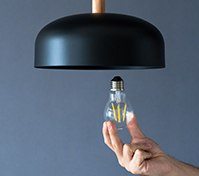
Lighting choices greatly enhance the ambience of a room and significantly impact its functionality. Natural light is ideal, as it creates a sense of openness and warmth. However, strategically placed artificial lighting can complement this by providing targeted illumination for tasks, thus enhancing the room’s usability. Additionally, it contributes to the mood and overall comfort level within the space.
Finally, color schemes play a role in setting the tone of a space. Neutral palettes can create a calming environment, while bold hues may energize the area. Understanding the psychological effects of color can aid in selecting shades that harmonize both the aesthetic beauty and functional aspects of a room.
By considering these key elements—layout, furniture, lighting, and color—designers can create modern spaces that are not only stylish but also practical, ultimately enhancing life quality within those environments.
Incorporating Style without Compromising Functionality
When designing modern living spaces, achieving a balance between aesthetics and functionality is essential. Homeowners increasingly seek an environment that is not only visually appealing but also caters to everyday needs. This can be accomplished by embracing innovative design trends that emphasize practicality without sacrificing style.
One effective approach is to focus on multifunctional furniture. This type of furniture serves multiple purposes, allowing for more space efficiency while enhancing the aesthetic appeal of a room. For instance, a stylish sofa bed provides a comfortable seating area during the day and transforms into a cozy sleeping space at night, essentially merging style with utility. Similarly, storage ottomans can function as both decor and a storage solution, minimizing clutter while contributing to the overall design.
Personalization also plays a crucial role in achieving a stylish yet functional space. Homeowners should consider incorporating decor elements that reflect their personality and interests. This can be done through artwork, textiles, and decorative accents that not only enhance the visual elements of a room but also instill a sense of identity and warmth. Personal touches ensure that the space feels uniquely tailored to the inhabitant’s lifestyle.
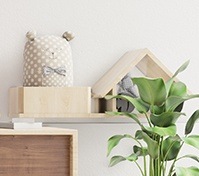
Moreover, selecting decor that complements both utility and beauty is vital. Opting for items made from durable materials can provide both long-lasting function and stylish appearances. For example, choosing elegant, sturdy shelving units that display personal items without compromising on space efficiency is a practical approach to design.
Ultimately, merging style with functionality is achievable through thoughtful selection of elements that serve a purpose, while also embodying aesthetic values. By considering innovative furniture options and personal touches, one can create spaces that are both beautiful and practical, and fulfill the diverse needs of modern living.
Real-Life Examples: Transforming Spaces Through Functional Design
Functional design transcends mere aesthetics; it embodies practicality, efficiency, and style, all of which can significantly enhance the living experience. A captivating example of successful functional design can be observed in the transformation of a compact urban apartment. Originally characterized by cramped spaces and a lack of organization, the redesigned layout now features multi-functional furniture, maximizing every square inch while ensuring the home remains visually appealing. For instance, a sleek sofa bed provides both seating and sleeping solutions, catering to the needs of a busy professional.
In larger homes, the concept of functional design can also yield remarkable results. Consider a once-segregated living and dining area that lacked cohesion. Through strategic placement of furniture and the use of open shelving as room dividers, the space now flows seamlessly. This transformation not only fosters better social interaction but also optimizes natural light, making the entire area feel more inviting. Such alterations showcase how addressing spatial challenges with thoughtful design choices can create an environment that feels both airy and connected.
Another inspiring case study involves a traditional kitchen remodel. By integrating smart storage solutions and modern appliances, the kitchen became a functional epicenter of the home. Previously cluttered countertops are now complemented by pull-out pantry units and disguised appliances, eliminating visual chaos and enhancing usability. This functional approach not just elevates the cooking experience but also contributes to overall household efficiency.
These examples exemplify how innovative functional design can transform living spaces of any size, tailored to meet specific lifestyle needs. They illustrate that with careful planning and creativity, it is possible to elevate a home’s functionality without sacrificing style. By analyzing these before-and-after transformations, one can appreciate the profound impact that thoughtful, intentional design can have in creating spaces that are vibrant and livable, all while addressing practical challenges.