





Modern Spotlights – Enhance Your Home
Understanding the Functionality of Modern Spotlights
Modern spotlights serve a multifaceted role in enhancing home design, providing not only illumination but also a means to create ambiance and highlight architectural features. One of the primary functionalities of spotlights is their ability to accentuate specific areas of a room. By directing light to selected objects or spaces, such as artwork, plants, or architectural details, spotlights can transform ordinary settings into visually engaging environments. This targeted illumination draws the eye and creates focal points within a room.
Moreover, modern spotlights are designed to create mood lighting, which is essential for establishing the overall atmosphere of any space. With adjustable intensity and direction, homeowners can modify the light output to suit various occasions, whether it’s a lively gathering or a quiet evening. The versatility of spotlights allows for the layering of light, combining them with other lighting fixtures to produce a more complex and inviting space.
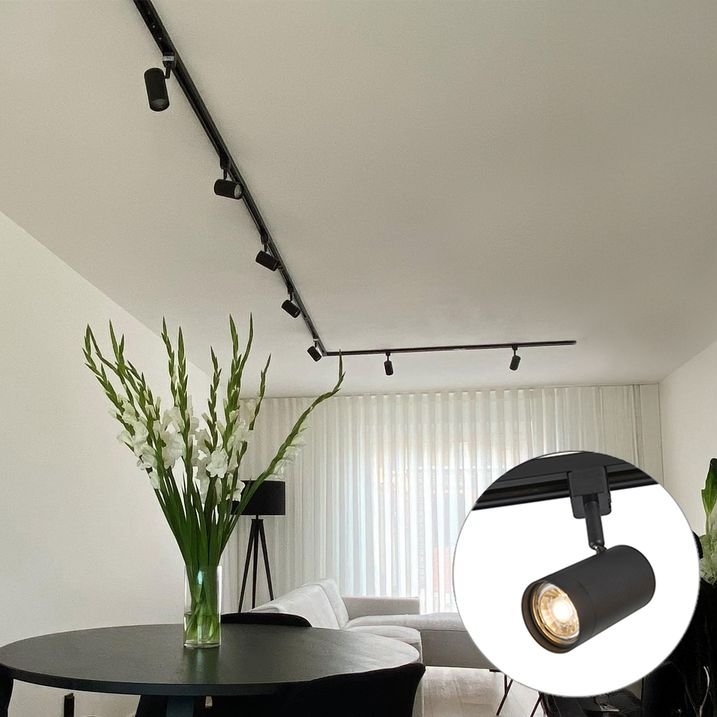
There are several types of modern spotlights, each offering unique characteristics suited for different areas of the home. Recessed spotlights, for instance, are commonly used in ceilings, providing a sleek, unobtrusive look that maintains clean lines in design. Track lighting, on the other hand, allows users to adjust the positioning of lights, making it an excellent choice for dynamic spaces such as galleries or workshops. Surface-mounted spotlights offer flexibility as they can be positioned anywhere on the ceiling or walls, making them ideal for accentuating wall features or creating dramatic effects. By understanding these functionalities and options, homeowners can utilize modern spotlights effectively to enhance both the aesthetic and functional qualities of their living spaces.
Choosing the Right Style and Design
Selecting the appropriate style and design of modern spotlights is crucial for creating a coherent and inviting atmosphere in your home. The choice should align with your overall interior design theme, whether it be minimalist, industrial, or contemporary. Each of these styles carries distinct characteristics that can significantly influence the selection of your spotlight fixtures.
For a minimalist aesthetic, consider spotlights with clean lines and simple forms. Fixtures in neutral colors such as white, black, or metallic finishes work seamlessly to enhance subdued decor without overwhelming the space. On the other hand, if your home leans towards an industrial theme, look for spotlights that incorporate raw materials such as exposed bulbs, rustic metal finishes, and rugged shapes. These elements work together to contribute to the urban charm that defines industrial-style interiors.
In contemporary design, sleek and versatile spotlights can be implemented to provide a dynamic flair. Opt for adjustable fixtures that allow you to manipulate light direction and intensity, catering to different activities while adding to the visual interest of the room. Furthermore, choosing the right shapes—be it geometric, circular, or elongated—can create focal points that compliment furniture and artwork.
In addition to style, consider how finishes and colors can complement your selected décor. Chromatic unity is essential; therefore, harmonizing your spotlights’ finishes with existing elements such as cabinetry and decorative accents enhances the overall aesthetic.
Finally, don’t hesitate to mix styles thoughtfully. Combining modern spotlights from different design languages can yield a captivating and personalized ambiance. By balancing contrasting styles, you can achieve a unique and aesthetically pleasing environment that reflects your individual taste and preferences.
Installation Tips and Techniques
Installing modern spotlights can greatly enhance the ambiance of any home. However, to achieve optimal results, it is essential to follow some crucial installation tips and techniques. Firstly, it is advisable to begin with a clear plan. Assess the areas in your home where lighting is needed most—be it your living room, kitchen, or hallway. Identifying focal points will guide the placement of your spotlights for maximum impact.
Next, measuring accurately is key to a successful installation. Determine the correct height and distance for each spotlight to ensure even distribution of light. A general rule of thumb is to place the lights about 1.5 to 2 feet away from walls to avoid harsh shadows and to create a more inviting atmosphere. If you are aiming for task lighting, such as in kitchens or workspaces, consider positioning lights directly above the intended area.
Before beginning the installation process, make sure to gather all necessary tools, which may include a drill, screwdriver, measuring tape, and wire strippers. It is also critical to turn off the power to your existing lighting circuit to ensure safety during the installation. If you are not comfortable with electrical work, do not hesitate to consult a licensed electrician. While a DIY approach can be rewarding, professional installation may save time and reduce the risk of errors.
Lastly, consider the electrical load your new fixtures will add to your circuit. Understand the wattage ratings to prevent overloads. By adhering to these guidelines and safety precautions, you will not only enhance the aesthetics of your home but also enjoy the benefits of efficient lighting that modern spotlights offer.
Creating a Lighting Plan for Your Home
Designing a cohesive lighting plan is essential for enhancing the aesthetic and functional aspects of your home. The first step in this process is to layer your lighting, which involves blending different types of light to create a well-rounded environment. This typically includes ambient lighting that provides overall illumination, task lighting focused on specific areas where activities take place, and accent lighting that highlights architectural features or decorative elements. Modern spotlights are particularly effective in this layering approach as they provide directed light, which can serve as both task and accent lighting.
When integrating modern spotlights into your lighting plan, consider the purpose of each room and its layout. For example, in kitchens, task lighting is crucial over work areas like countertops and islands, so spotlights can be strategically placed to illuminate these spaces without casting shadows. In living rooms, spotlights can create inviting focal points by illuminating artwork or architectural details, thereby adding depth and dimension to the environment.
Balancing ambient and task lighting is vital to avoid overly bright or dim areas in your home. For instance, using dimmable modern spotlights allows for flexibility in setting the appropriate mood depending on the time of day or activity. Moreover, implementing energy-efficient lighting options, such as LED modern spotlights, not only reduces energy costs but also boasts a longer lifespan compared to traditional bulbs.
Additionally, the rise of smart home technologies has transformed how lighting is managed. With smart systems, one can easily control brightness levels, color temperatures, and even set schedules for their modern spotlights through mobile devices or voice commands. This added convenience ensures your lighting plan meets the practical needs of your lifestyle while also enhancing your home’s overall ambiance.