





The Art of Concept Design Services: Transforming Creative Interiors
Understanding Concept Design Services
Concept design services play a pivotal role in the realm of interior design, offering a unique approach that blends functionality with aesthetics. These services primarily focus on developing a cohesive visual strategy that captures the client’s desires while addressing the practical aspects of space utilization. Concept design isn’t merely a preliminary step in interior design; it establishes the foundation upon which the entire project is built.
The essence of concept design lies in its ability to translate abstract ideas into tangible plans. This service aims to create a compelling narrative for each space, ensuring that it reflects the identity and values of those who occupy it. Concept designers engage in extensive research and collaboration with clients to understand their vision, preferences, and lifestyle requirements. This collaborative process is integral to crafting designs that not only look appealing but also enhance the user experience.
One significant distinction between concept design and traditional interior design is the emphasis on innovation in the former. While traditional approaches may prioritize practicality and adhering to established design norms, concept design encourages creative exploration and experimentation. Concept designers utilize various tools, including mood boards, sketches, and 3D visualizations, to articulate ideas and garner client feedback early in the design process.
Furthermore, concept design services often integrate current trends and technologies, allowing for the incorporation of sustainable materials and smart solutions that elevate the overall concept. As a result, these services contribute to the creation of spaces that are not only aesthetically pleasing but also adaptable to future needs and advancements in design.
Key Elements of Effective Interior Concept Design
Interior concept design is a multifaceted discipline that requires the careful integration of several key components to create spaces that are not only functional but also visually appealing. One of the fundamental aspects is space layout, which involves the strategic arrangement of elements within a space. An effective layout facilitates movement and interaction while ensuring that each area serves its intended purpose. For instance, in residential design, an open floor plan can promote better flow and connectivity between living areas, while maintaining privacy in designated zones.
Color schemes also play a crucial role in interior concept design. The choice of colors can significantly affect the mood and atmosphere of a space. For example, warm tones can create a cozy and inviting environment, while cooler hues can promote tranquility and calmness. A well-thought-out color palette not only enhances aesthetic appeal but also reflects the personality and preferences of the clients. Through case studies, we can observe how different color combinations achieved desired effects in various interiors, thereby reinforcing the importance of this element.
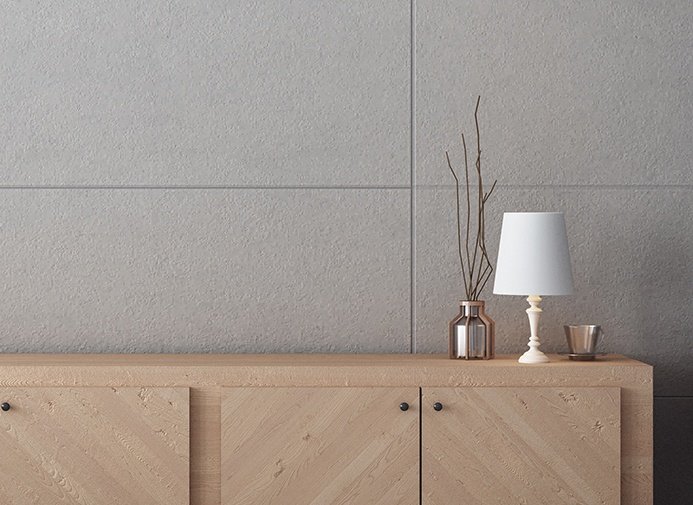
Additionally, materials selection is vital. The textures, finishes, and types of materials chosen not only contribute to the overall look but also to the functionality and durability of the interior. For example, using sustainable materials can resonate with environmentally-conscious clients while adding an element of sophistication. Similarly, styles of furniture, ranging from modern minimalist to classic traditional, can harmonize with the overall concept and influence how the space feels. Case studies illustrate the effective integration of furniture styles and materials, showcasing how these elements coalesce to create cohesive and impactful designs.
The Creative Process in Concept Design
The journey of concept design services begins with a thorough initial consultation, where designers engage clients in discussions to elucidate their vision, requirements, and preferences. This dialogue is crucial as it lays the foundation for the entire design process, ensuring that the designer fully comprehends the client’s aspirations. During this stage, tools such as mood boards or design briefs can be utilized to capture initial thoughts and ideas.
Once the preliminary understanding is established, designers initiate the inspiration-gathering phase. This could involve researching industry trends, exploring various design styles, and even drawing from nature or urban environments. By synthesizing inspiration from diverse sources, designers can cultivate a rich repository of ideas. This exploratory phase is where creativity flourishes, allowing designers to broaden their perspectives and venture into uncharted territories of design.
Following the inspiration gathering, brainstorming sessions take center stage. Designers collaborate, often in teams, to generate a plethora of ideas that align with the initial discussions. This phase fosters a creative atmosphere where every concept, no matter how unconventional, is valued. After filtering through these ideas, designers begin to develop more refined design concepts that illustrate how the client’s vision can be materialized.
Feedback plays a vital role in this iterative process. Presenting the evolving concepts to the client invites constructive criticism and sparks further discussion, refining the design toward the desired outcome. This back-and-forth exchange often leads to valuable insights that enhance the project.
Moreover, modern technology and design software significantly facilitate this creative exploration. Virtual reality, 3D modeling, and other tools enable designers to visualize concepts in innovative ways, bridging the gap between imagination and reality. With such advancements, the concept design process not only evolves but also embraces a structured approach that is essential for delivering compelling interiors.
Future Trends in Concept Design Services
The realm of concept design services is rapidly evolving, driven by societal changes and advancements in technology. One of the foremost trends is the focus on sustainability. As awareness grows regarding environmental issues, designers are increasingly tasked with creating interiors that not only reflect aesthetic appeal but also have a minimal ecological footprint. This has led to a rise in the use of sustainable materials and energy-efficient solutions that promote eco-friendly practices. The incorporation of recycled elements, low VOC paints, and resource-efficient fixtures are becoming standard in the design process.
In tandem with sustainability, smart technology integration is revolutionizing the way interiors are conceptualized and experienced. The emergence of IoT (Internet of Things) in interior spaces allows for the automation of tasks and a more interactive environment. By incorporating smart lighting, climate control, and security systems into design concepts, interiors can become more functional and adaptable to the needs of the users. Designers are tasked with ensuring that these technological advancements seamlessly blend with the overall aesthetic, making spaces not just intelligent but also visually appealing.
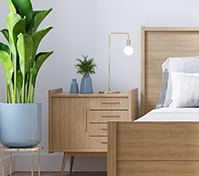
Another trend gaining traction is biophilic design, which emphasizes the connection between nature and interior environments. This approach incorporates natural elements such as plants, natural light, and organic materials into design concepts, promoting wellness and improving the overall atmosphere of the space. With more individuals recognizing the mental and psychological benefits of nature, biophilic concepts are poised to become key components in contemporary interior design.
As these trends continue to develop, they will undoubtedly influence the dynamics between designers and clients. The growing demand for sustainable and technology-driven designs presents both challenges and opportunities for professionals in the field. Understanding these trends and adapting to them will be vital for creating innovative and appealing interior concepts that meet the expectations of modern clients.
- Request Your Concept Design Consultation
https://rookinteriors.net/
https://rookestate.net/rook-development-hurghada-real-estate-experts/Let’s Design Your Space