


Top Interior Design Trends 2026: Transform Your Home with Modern Style
Embracing Sustainability in Modern Design
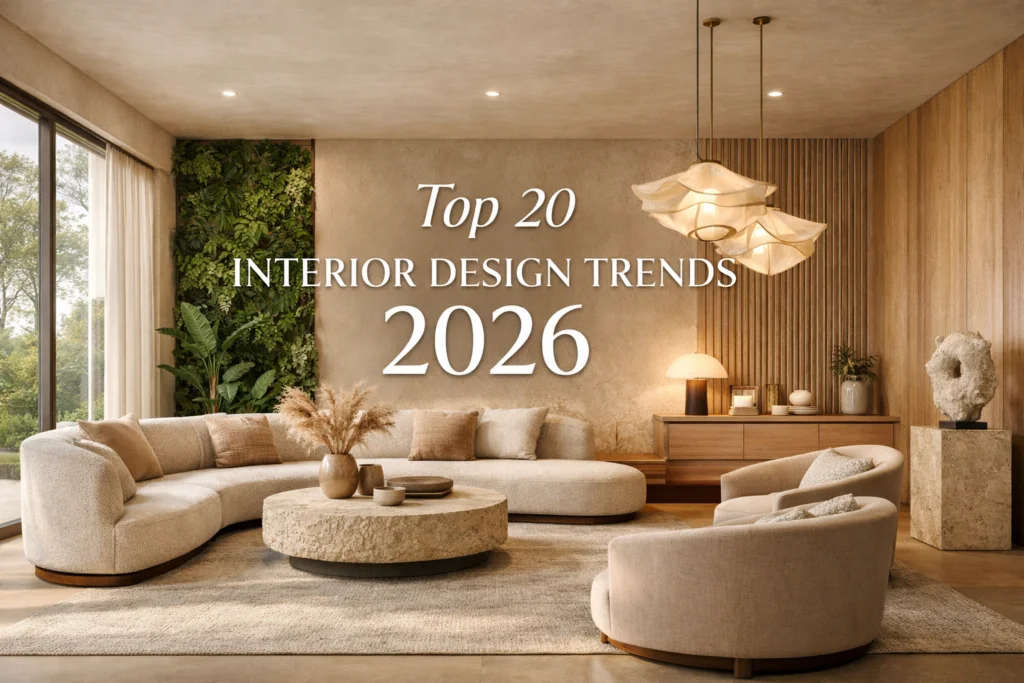
Top Interior Design Trends 2026 are shaping the way homeowners create stylish and functional spaces this year. As we move further into 2026, the emphasis on sustainability continues to gain momentum. Homeowners are exploring eco-conscious décor choices, sustainable materials, and energy-efficient appliances to make their homes both beautiful and environmentally responsible
Incorporating sustainable materials is a fundamental step in this journey towards eco-friendliness. Homeowners might consider utilizing locally sourced materials to minimize transportation emissions while also supporting local economies. Furthermore, opting for recycled or upcycled materials in furniture and décor can enhance a home’s character while contributing to a more sustainable living space. These choices often lead to unique designs that reflect personal creativity.
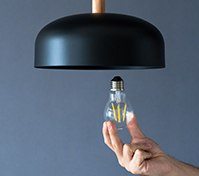
Energy efficiency is another critical aspect of sustainable design. By selecting appliances that consume less power, homeowners can significantly lessen their environmental impact. Installing energy-efficient lighting solutions and smart home technology not only promotes sustainability but also contributes to long-term cost savings on energy bills. Moreover, integrating natural elements, such as plants and natural light, into the design can enhance air quality and promote well-being.
The trend toward sustainability also includes a growing preference for biodegradable and non-toxic materials, which can positively influence indoor air quality. Utilizing natural finishes and low-VOC paints will ensure that the space remains healthy for both its inhabitants and the environment.
Through these various approaches, it becomes clear that sustainable and eco-friendly interior design is not just a passing trend but a vital aspect of modern living in 2026. By embracing these principles, homeowners can create beautiful, functional spaces that reflect a commitment to environmental stewardship and personal well-being.
The Revival of Bold Colors and Patterns
The realm of interior design is witnessing a remarkable resurgence of bold colors and vibrant patterns, bringing a refreshing energy to contemporary spaces. As homeowners increasingly seek to infuse personality into their living environments, the strategic use of color theory has emerged as a pivotal tool. Lively palettes, characterized by striking tones and eye-catching contrasts, serve not only to uplift the emotional ambience of a room but also to create a memorable presence.
When integrating bold colors and patterns, one should consider the overall cohesiveness of the décor. It is essential to establish a harmonious balance, ensuring that these vibrant elements enhance rather than overwhelm the space. Start by selecting one or two standout colors and applying them to focal points such as accent walls, furniture pieces, or decorative accessories. This approach allows the statement colors to shine while maintaining an underlying tranquility throughout the room.
Textiles such as throws, cushions, and rugs can serve as effective mediums for introducing bold patterns. Layering these items fosters depth and interest, transforming a simple design into a dynamic visual narrative. Furthermore, wall art featuring graphic prints can accentuate the personality of a room, allowing homeowners to showcase their unique tastes while adhering to an overall theme.
Wallpapers equipped with bold prints also hold significant potential for accentuating modern interiors. Whether opting for a large-scale floral design or geometric patterns, these elements can dramatically alter the character of a space. When utilized in moderation and combined with more subdued tones, bold wallpapers can invigorate the home without compromising a sense of serenity.
Multi-Functional Spaces for Modern Living
As urban living environments become more compact, the demand for multi-functional spaces is paramount. This trend has gained traction due to the limited square footage available in many metropolitan areas, prompting homeowners and designers alike to rethink traditional layouts. A multi-functional approach allows residents to optimize each area of their home for various activities, effectively maximizing utility.
Innovative design solutions are crucial to creating these versatile spaces. For example, foldable furniture has emerged as a popular choice among contemporary homeowners. With pieces that can be easily stowed away or transformed, such as Murphy beds or extendable dining tables, residents can seamlessly transition from a living area to a guest room or from an office to a dining space. This flexibility is essential in addressing the evolving lifestyle needs of urban dwellers.
Moreover, sliding partitions provide a practical solution for creating distinct zones within an open floor plan. These movable walls allow homeowners to customize the space according to their requirements at any given time. Whether hosting guests or enjoying a quiet evening, sliding partitions can transform a single area into a multi-room experience without the need for extensive renovations.
Smart home technology further enhances these multi-functional areas by integrating advanced features that promote efficiency. Home automation systems can control lighting, climate, and security, adapting the environment in accordance with specific tasks or preferences. This seamless blend of style and functionality not only contributes to a modern aesthetic but also simplifies daily life, making it an indispensable element in 2026’s interior design.
Integrating Biophilic Design for Wellness
As we transition into 2026, one of the most prominent interior design trends is biophilic design. This approach emphasizes the connection between humans and nature by incorporating natural elements into living spaces. The influence of biophilic design on well-being and mental health cannot be overstated. By simulating a natural environment within our homes, we create a sanctuary that nurtures both the mind and body.
To effectively integrate biophilic design into your living space, begin by maximizing natural light. Consider using large windows or skylights to flood your home with sunlight. Not only does this enhance visual comfort, but it also plays a critical role in maintaining circadian rhythms, which can improve your overall mood and energy levels. Strategically placed mirrors can help amplify this natural light and create an illusion of a larger, more open space.
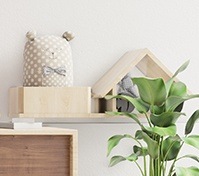
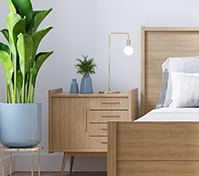
Furthermore, introducing a variety of plants can significantly enhance the biophilic aspect of your home. House plants such as peace lilies, snake plants, and ferns not only purify the air but also add vibrancy and life to any room. For individuals who may not have a green thumb, opting for low-maintenance options is advisable, ensuring that you can still reap the benefits of greenery without the additional stress of upkeep.
In addition to natural light and plant life, the use of natural materials in your home decor plays a crucial role in biophilic design. Materials such as wood, stone, and wool evoke the feeling of being outdoors and contribute to a calm atmosphere. Furniture crafted from sustainable materials not only supports eco-friendliness but also resonates with the core principles of biophilic design. By focusing on these elements, homeowners can cultivate a space that fosters relaxation and connection to the natural world, enhancing overall wellness and tranquility within the modern home.
Discover the top interior design trends of 2026 and start transforming your home today!
Explore 2026’s must-have interior design trends – Click here for expert tips!https://rookestate.net/rook-development-hurghada-real-estate-experts/