





Achieving a Minimalist Interior Design on a Budget
Understanding Minimalist Design
Minimalist Interior Design is all about the philosophy of “less is more,” emphasizing simplicity, functionality, and smart use of space. This approach strips away excess and highlights only the essentials, creating a serene and organized environment. In today’s world full of distractions and clutter, minimalist interiors offer purity in aesthetics and a calming atmosphere.
One of the fundamental principles of minimalist design is the importance of simplicity. This involves carefully selecting furniture and decor items that serve a clear purpose, hence fostering an uncluttered atmosphere. By limiting the number of objects in a space, one can encourage a sense of calm and clarity. Each piece is often chosen not only for its function but also for its aesthetic appeal, ensuring that it contributes positively to the overall ambiance of the interior.
Functionality is another critical aspect of this design ethos. In minimalist spaces, every element must have a reason for being there. For example, multi-functional furniture pieces serve dual purposes, such as a coffee table that doubles as storage, maximizing utility without compromising on style. This approach not only maintains a clean and open space but also emphasizes a lifestyle that values practicality over extravagance.
Moreover, the effective use of space is crucial. Minimalist design often employs open floor plans and strategically placed furnishings to enhance the flow of movement. This thoughtful arrangement fosters an airy, inviting environment, essential for wellbeing. Research indicates that living in a minimalist space can lead to reduced stress and anxiety, as fewer visual distractions allow for clearer thinking.
In summary, minimalist design focuses on simplicity, functionality, and space efficiency, creating an environment that is not only aesthetically appealing but also psychologically beneficial.
Budget-Friendly Tips for Decluttering
Achieving a minimalist interior design often begins with the process of decluttering, which can be successfully accomplished even on a budget. One effective strategy is to approach decluttering incrementally. Instead of tackling your entire home at once, focus on one area or a specific category of items, such as clothing or kitchen utensils. This targeted approach makes the task less daunting and allows for manageable decision-making.
When sorting through belongings, adopt the “four-box method”—designate boxes for keeping, donating, recycling, and trashing. This simple classification system facilitates the decision-making process. As you evaluate each item, ask yourself if it serves a practical purpose or if it holds sentimental value. If neither is true, it may be time to let it go. The aim is to retain only those items that contribute positively to your living space.
For items that you decide to part with, consider donating them to local charitable organizations or thrift stores. This not only helps those in need but also ensures your possessions find new homes instead of contributing to landfill waste. Another option is to host a garage sale or utilize online platforms for selling items, which can also help recoup some expenses, enhancing your budget-conscious efforts.
Moreover, repurposing items can also aid in maintaining a minimalist aesthetic. For instance, old wooden crates can be transformed into stylish home organization solutions, or glass jars can serve as storage for kitchen staples. You can creatively upcycle excess belongings into functional pieces that enhance your home without incurring additional costs.
To ensure ongoing decluttering practices, establish routines that encourage regular assessments of your belongings. Setting aside time each month to review items and reconsider their necessity can help sustain a clutter-free environment. Emphasizing these maintaining habits not only supports minimalist principles but also promotes a peaceful and organized home environment.
Inexpensive Decor Ideas for a Minimalist Look
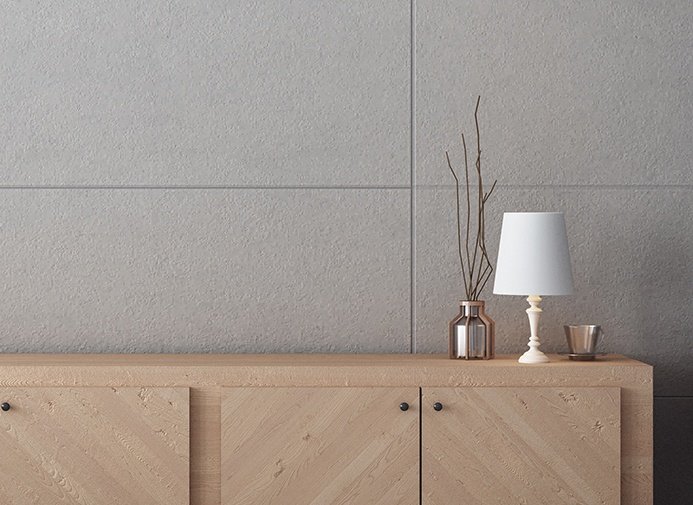
Achieving a minimalist interior design on a budget can be both rewarding and simple with the right decor ideas. One of the fundamental principles of minimalist design is the use of a neutral color palette. Opt for hues such as whites, greys, and beige, which can create a serene and clutter-free environment. These colors not only enhance the sense of space but also provide the perfect backdrop for any decor items you may choose, ensuring they stand out without overwhelming the space.
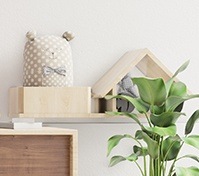
When selecting decor pieces, it is essential to focus on simple yet impactful choices. Instead of filling your space with numerous small items, consider larger, more significant pieces that resonate with your style philosophy. A single well-placed artwork, a vintage chair, or an oversized plant can serve as a focal point, creating visual interest while maintaining the essence of minimalism.
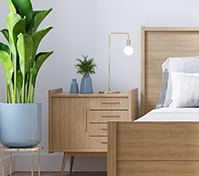
Incorporating natural elements is another effective strategy for achieving that minimalist aesthetic. Elements such as wood, stone, or plants can bring warmth and texture to an otherwise stark arrangement. For example, a wooden coffee table or a set of terracotta pots can infuse your space with organic qualities that softens the minimalist approach. These natural materials not only add character but can often be sourced at affordable prices.
Additionally, embracing DIY projects can assist in achieving a minimalist look on a budget. Projects such as creating your own wall art, refurbishing old furniture, or even making simple decorative items can add a personal touch to your space while adhering to budget constraints. By prioritizing quality over quantity, you can curate a living space that is not only minimal but also comfortable and attractive without financial strain.
Creating Functional Spaces with Limited Resources
Designing a minimalist interior on a budget demands thoughtful consideration of how spaces are utilized and how furniture is arranged. The objective is to create functional spaces that not only meet the needs of the inhabitants but also promote a sense of tranquility and order. To achieve this, assessing the flow of the area is essential. Prioritize keeping pathways clear and ensuring that each piece of furniture serves a distinct purpose, thereby reducing clutter.
In selecting furniture, multi-functional pieces become invaluable for a minimalist home. For instance, a sofa bed can serve as both seating and a sleeping area, effectively maximizing the utility within a limited square footage. Moreover, ottomans that provide storage can help maintain a tidy environment while serving as additional seating or a coffee table. When furniture serves multiple roles, it allows for a more streamlined aesthetic and encourages an open, airy feel.
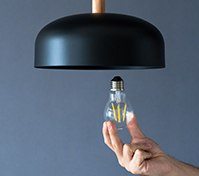
Lighting plays a crucial role in enhancing the design of a space. Natural light is an important aspect of minimalist interior design; using sheer curtains can help maximize light penetration while maintaining privacy. Additionally, strategically placed mirrors can create an illusion of more space, giving smaller areas a more expansive appearance. For nighttime illumination, select simple, elegant light fixtures that complement the overall decor while providing adequate brightness.
Open spaces are integral to the minimalist philosophy, helping to eliminate overly crowded environments. Consider furniture arrangement that emphasizes openness, such as floating pieces away from walls or distanced clustering to allow for visual flow. By mindfully selecting furniture, optimizing layout, and utilizing natural light, a minimalist design can be achieved effectively on a budget, transforming limited resources into functional beauty.
Transform your home with minimalist interior design – Start simplifying today!
Upgrade your home with minimalist design tips – Click here for inspiration!